The reason? I practically grew up in England. An England with yet another dialect...






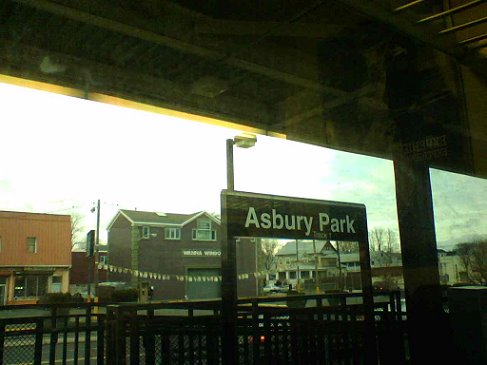
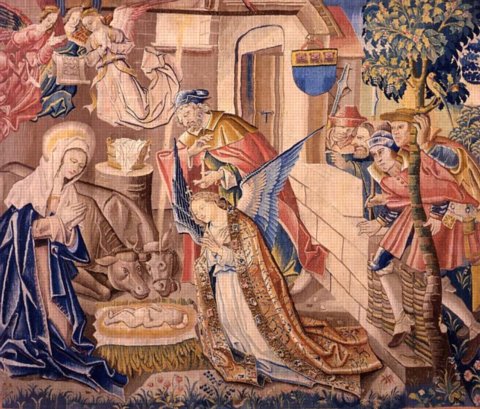
I do still believe in a certain kind of lux æterna...
Merry Christmas.
 I'm in such a fuckin rush to get out of the office that I'm starting to get cranky. And I'm running late.
 "¡Qué zambullida!"
It was her life, and, bending her head over the hall table, she bowed beneath the influence, felt blessed and purified, saying to herself, as she took the pad with the telephone message on it, how moments like this are buds on the tree of life, flowers of darkness they are, she thought (as if some lovely rose had blossomed for her eyes only); not for a moment did she believe in God; but all the more, she thought, taking up the pad, must one repay in daily life to servants, yes, to dogs and canaries, above all to Richard her husband, who was the foundation of it—of the gay sounds, of the green lights, of the cook even whistling, for Mrs. Walker was Irish and whistled all day long—one must pay back from this secret deposit of exquisite moments, she thought, lifting the pad, while Lucy stood by her, trying to explain how.I was in awe. It's almost a mess, but I think it takes absolute genius to write sentences like that. I thought I might try writing a few of my own just "for fun" sometime, but I can't see myself managing to pull off that kind of construction, even as an exercise. I love the idea of trying to throw out so much convention though. Screw whatever your tenth grade English teacher (or present-day anal-retentive proscriptive grammar wonks) tried to instill in you about the "proper paragraph."
...Clarissa had a theory in those days—they had heaps of theories, always theories, as young people have. It was to explain the feeling they had of dissatisfaction; not knowing people; not being known. For how could they know each other? You met every day; then not for six months, or years. It was unsatisfactory, they agreed, how little one knew people. But she said, sitting on the bus going up Shaftesbury Avenue, she felt herself everywhere; not "here, here, here"; and she tapped the back of the seat; but everywhere. She waved her hand, going up Shaftesbury Avenue. She was all that. So that to know her, or any one, one must seek out people who completed them; even the places. Odd affinities she had with people she had never spoken to, some woman in the street, some man behind a counter—even trees, or barns. It ended in a transcendental theory which, with her horror of death, allowed her to believe, or say that she believed (for all her scepticism), that since our apparitions, the part of us which appears, are so momentary compared with the other, the unseen part of us, which spreads wide, the unseen might survive, be recovered somehow attached to this person or that, or even haunting certain places after death . . . perhaps—perhaps.
The unseen might survive.
 "There was a time
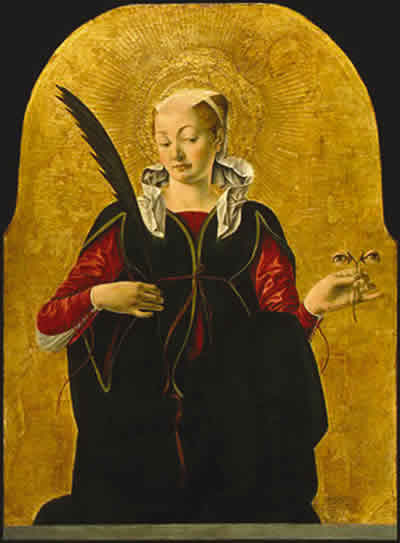 Happy Saint Lucia Day.
 Night stomps with heavy feet




 Via Ultrabrown, was turned on to the Indian comic strip "This is Our Life" by Rajneesh Kapoor. Very worth checking out.
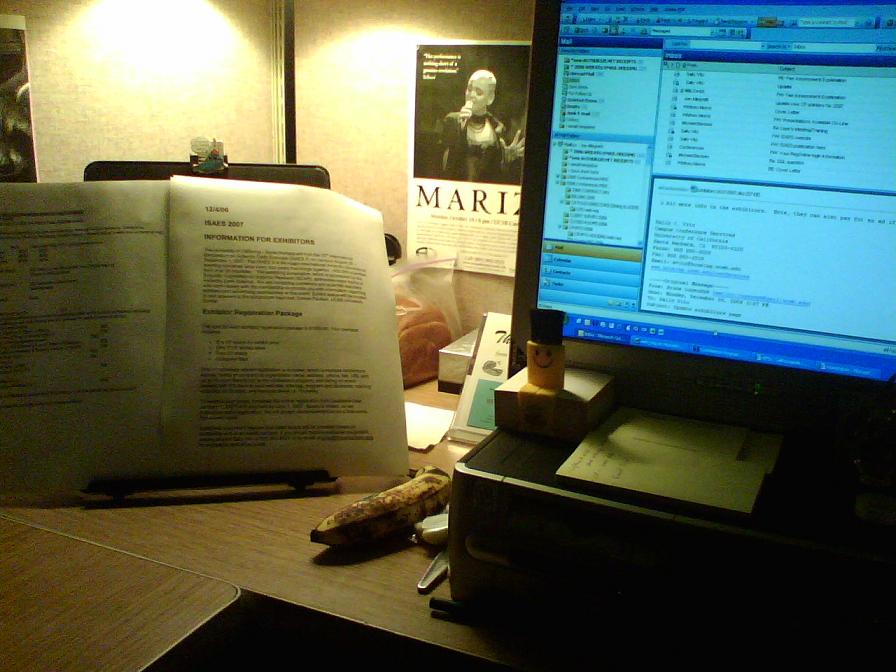 This is what I get for blogsurfing all day.
 Most of us know by now how touchy the Catalan/Basque autonomy issue is, but this piece was interesting in pointing out how this is politically and practically playing out. I thought lots of parallels could be drawn with Quebec, where I've heard English can get a fairly icy reception in certain areas. However, it seems a bit extreme to say that a national author would be greeted with cries of "fascist" when arriving to deliver an address, merely because of speaking Castellano.